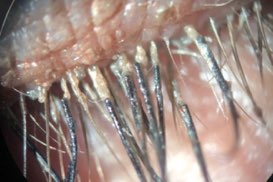
Our Protocol for Intense Pulsed Light (IPL) Therapy Combined with Low-Level Light Therapy (LLLT), Delivered in the Same Session (IPL First, Then LLLT), Followed by Manual Expression of the Meibomian Glands:
Studies show that an IPL treatment immediately followed by Low-Level Light Therapy (LLLT) for dry eye disease and Meibomian gland dysfunction (MGD) is more effective and provides better, longer-lasting results compared with IPL alone. This enhanced outcome occurs because the two therapies act through different, complementary mechanisms, and together their effects produce a broader, synergistic therapeutic benefit. Performing these two treatments in the same session also results in improved gland expressibility, which is why we perform manual expression of the Meibomian glands immediately following treatment.
https://pubmed.ncbi.nlm.nih.gov/34907942/
https://pmc.ncbi.nlm.nih.gov/articles/PMC6573774/
https://pmc.ncbi.nlm.nih.gov/articles/PMC10276683/#:~:text=Clinical%20parameters,1b%20and%20c%5D
Intense Pulsed Light Therapy and Low-Level Light Therapy Explained Individually
Intense Pulsed Light (IPL) Therapy:
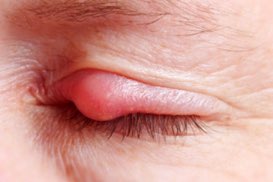
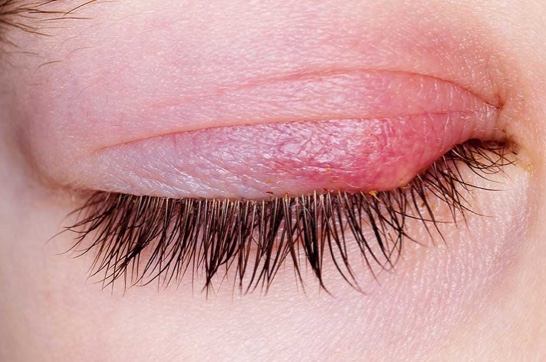
While there are many IPL devices, there’s only one that's FDA approved specifically for the treatment of dry eye and Meibomian gland dysfunction. OptiLight by Lumenis was specifically designed to reach the delicate contours around the eyes. It uses patented state-of-the-art Optimal Pulse Technology (OPT) to deliver a safe, comfortable, effective in office treatment for dry eye, Meibomian gland dysfunction (MGD), blepharitis, styes (hordeola), chalazia, ocular rosacea, and Demodex.
Intense Pulsed Light (IPL) therapy has been used in dermatology for decades demonstrating a long history of safety and efficacy. The first Intense Pulsed Light (IPL) device became available commercially in 1994 for use in the treatment of rosacea and acne. In 2015 Intense Pulsed Light (IPL) was used for the first time to treat dry eye and Meibomian gland dysfunction (MGD).
In combination with other treatments, Intense Pulsed Light (IPL) therapy can achieve long lasting relief of symptoms and slow, or stop, the progression of dry eye disease, Meibomian gland dysfunction (MGD), blepharitis, styes (hordeola), chalazia, ocular rosacea and Demodex.
How Does Intense Pulsed Light (IPL) Therapy Work?
Intense Pulsed Light (IPL) therapy successfully treats dry eye disease, Meibomian gland dysfunction (MGD), blepharitis, styes (hordeola), chalazia, and ocular rosacea by improving the health and functioning of damaged blood vessels in the area.
Inflammation is the underlying cause of dry eye (keratitis sicca) and a major component of Meibomian gland dysfunction. This inflammation harms blood vessels in the area causing them to dilate and rendering them hyperpermeable, or leaky, releasing plasma* into the surrounding tissue. The plasma released into the tissue contains pro-inflammatory mediators which fuel a vicious cycle of inflammation adversely affecting the health and comfort of the eyes and eyelids.
Intense Pulsed Light (IPL) utilizes light energy of specific wavelengths to precisely target the leaky, damaged, dilated blood vessels in the skin around the eyes rendering these vessels healthier. Inflammation in the area is dramatically reduced by stimulating constriction of dilated blood vessels and suppressing their leakage. IPL reduces inflammation by breaking the cycle of inflammation.
This reduction of inflammation allows for recovery of the Meibomian glands in both form and function, improves the quality of the tear film, enhances tear film stability, reduces evaporation of the tears from the surface of the eyes, and improves ocular lubrication, thus improving dry eye signs and symptoms. In addition to making patients much more comfortable, IPL therapy can also reduce reliance on medications. Lastly, Intense Pulsed Light (IPL) therapy stimulates collagen production in the skin which can improve the overall health and appearance of the eyelid area and surrounding tissues.
*The plasma which leaks from damaged blood vessels contains pro-inflammatory mediators including, but not limited to, vascular endothelial growth factor (VEGF), prostaglandin E2 (PGE2), and pro-inflammatory cytokines.
Intense Pulsed Light (IPL) Therapy’s Safety Over Decades Has Been Established in the Treatment of:
• Skin rejuvenation: Improving skin tone and texture. Reducing fine lines, wrinkles and signs of aging by stimulating collagen production thus giving skin a firmer, more voluminous, youthful appearance.
• Ameliorating unwanted pigmentary changes, sunspots, age spots, and sun damage.
• Rosacea and vascular lesions (spider veins, broken capillaries).
• Enlarged pores by reducing pore size.
• Treating acne by targeting the bacteria (p. acne) that causes breakouts and reducing inflammation.
• Treating acne scars.
Low-Level Light Therapy (LLLT):
Low-Level Light Therapy (LLLT), sometimes referred to as red-light therapy, was developed by NASA and has been used in medicine for decades. More recently, it has been FDA-cleared as a safe, gentle, effective, and painless light-based therapy for the treatment of ocular surface conditions such as Meibomian gland dysfunction, blepharitis, ocular rosacea, and dry eye.
LLLT uses specific wavelengths of red and near-infrared light to trigger photochemical reactions. This process, known as photobiomodulation, reduces inflammation; promotes tissue healing, repair, and regeneration; stimulates cellular activity; enhances tear film stability; and softens the meibum—all without generating heat or damaging tissue.
While LLLT can be used as a stand-alone treatment, it is most effective when performed immediately following Intense Pulsed Light (IPL) therapy. Studies show that combining IPL with 15 minutes of LLLT is extremely effective in reducing inflammation and the symptoms of dry eye, Meibomian gland dysfunction, blepharitis, and ocular rosacea.
Benefits:
Low-Level Light Therapy (LLLT) clinically benefits patients by enhancing the health and comfort of the eyes and eyelids through the following mechanisms:
• Stimulating anti-inflammatory pathways, thereby reducing ocular and eyelid inflammation
• Enhancing microvascular perfusion and increasing circulation, which helps clear inflammatory mediators and improve tissue oxygenation
• Reducing bacterial biofilm
• Enhancing Meibomian gland repair and regeneration
• Helping to unblock Meibomian glands by melting and mobilizing meibum, thereby improving gland function, restoring oil flow to the tear film, increasing tear film stability, and decreasing tear evaporation from the ocular surface—making the eyes less dry and more comfortable
• Stimulating lacrimal and Meibomian gland activity
• Reducing telangiectasia and improving vascular tone, thereby mitigating flare-ups
In our practice, we use a professional medical-grade LLLT device* that provides the flexibility needed to customize treatments based on each patient’s individual needs (such as skin type and the condition being treated). Using this device, we can adjust key parameters—including irradiance (power density), fluence, and wavelength—to achieve the best possible results for each patient.
*Professional medical devices are subject to strict safety testing protocols and requirements.
https://pmc.ncbi.nlm.nih.gov/articles/PMC8897458/
What To Expect on The Day of, and Following, Your Intense Pulsed Light (IPL), Low-Level Light Therapy (LLLT) and Meibomian Gland Expression:
On the day of your treatment, you may eat and drink normally.
Please do not wear any makeup on the day of your treatment. You may bring your makeup with you and apply it after your treatment.
Anesthetic eye drops will be placed in your eyes, and your eyes will then be covered with protective shields. A thin layer of cooling gel—similar to the gel used for ultrasounds—will be applied to the treatment area. Next, a handheld Intense Pulsed Light (IPL) device will be used to deliver gentle pulses of light.
A typical IPL treatment session for dry eye, Meibomian gland dysfunction (MGD), blepharitis, styes (hordeola), chalazia, and/or ocular rosacea lasts approximately 10–15 minutes.
This is followed by a 15-minute session of Low-Level Light Therapy (LLLT), delivered using a non-contact, flexible LED light panel. Your eyes will remain gently closed during the treatment. There is no discomfort and no downtime, and you may resume normal activities immediately.
Finally, manual expression of the Meibomian glands will be performed.
Some patients may experience mild redness, warmth, or slight inflammation in the treated area. If present, these effects typically resolve within 1–72 hours.
There are no activity restrictions following treatment; patients may resume their normal routines, as no downtime is required.
To ensure the best results, it is important to protect your skin from the sun. After your IPL treatment, avoid direct sun exposure for the first 72 hours and apply a paraben-free sunscreen with SPF 30 or higher several times a day.
Applying sunscreen and moisturizer should become part of your daily routine.
Please follow the post-treatment regimen provided by Drs. Malawer and Muller.
Treatment Schedule:
The treatment protocol required to achieve optimal results consists of four treatment sessions spaced 2–4 weeks apart. While some patients report improvement after one, two, or three sessions, maximum improvement is typically achieved after four treatments. Improvements in both how you feel and how you look generally occur gradually over several weeks. The frequency of subsequent maintenance treatments varies from person to person; however, they are generally performed every 6–12 months to help ensure long-term benefits. Your treatment plan will be individualized and tailored to your specific needs.
We believe that our protocol—consisting of an IPL treatment immediately followed by Low-Level Light Therapy and manual expression of the Meibomian glands—represents best practices. Our cutting-edge, evidence-based approach combines advanced, state-of-the-art medical technologies, treatment modalities, and research to provide our patients with optimal results in the treatment of dry eye disease, Meibomian gland dysfunction (MGD), blepharitis, and ocular rosacea.
Patients often notice improved vision stability, increased comfort, and reduced burning, redness, dryness, and other bothersome symptoms within days. Full benefits are typically appreciated after completion of the full treatment series.